AI Photos vs Professional Photographer: When to Use Each (2026 Guide)
An honest comparison of AI headshots and professional photography. Cost breakdowns, quality differences, and a decision matrix to help you pick the right option.
LensCherry Team
AI Photo Experts • Updated February 2026
Can AI Really Replace a Photographer?
It's the question everyone asks when they first see AI-generated headshots. And the honest answer is: sometimes yes, sometimes no.
This isn't a post trying to convince you that AI is always better. It's not. But there are situations where AI headshots are genuinely the smarter choice, and situations where you absolutely need a real photographer behind the lens.
Here's how to figure out which one you need.
When a Professional Photographer Is Still the Right Call
Let's start with where photographers can't be replaced.
Group and Team Shots
If you need 15 people standing together in matching outfits, looking natural and relaxed, that requires a human directing the scene. AI can generate individual headshots that look consistent, but it can't pose a real group in a real office lobby. For corporate team pages, a photographer on-site is often the better move for group compositions.
Specific Locations and Props
Need a photo of you in front of your actual restaurant? Standing next to the product you built? Holding a specific instrument or tool? A photographer captures what's real. AI generates what's plausible, which is a different thing entirely.
Editorial and Magazine Quality
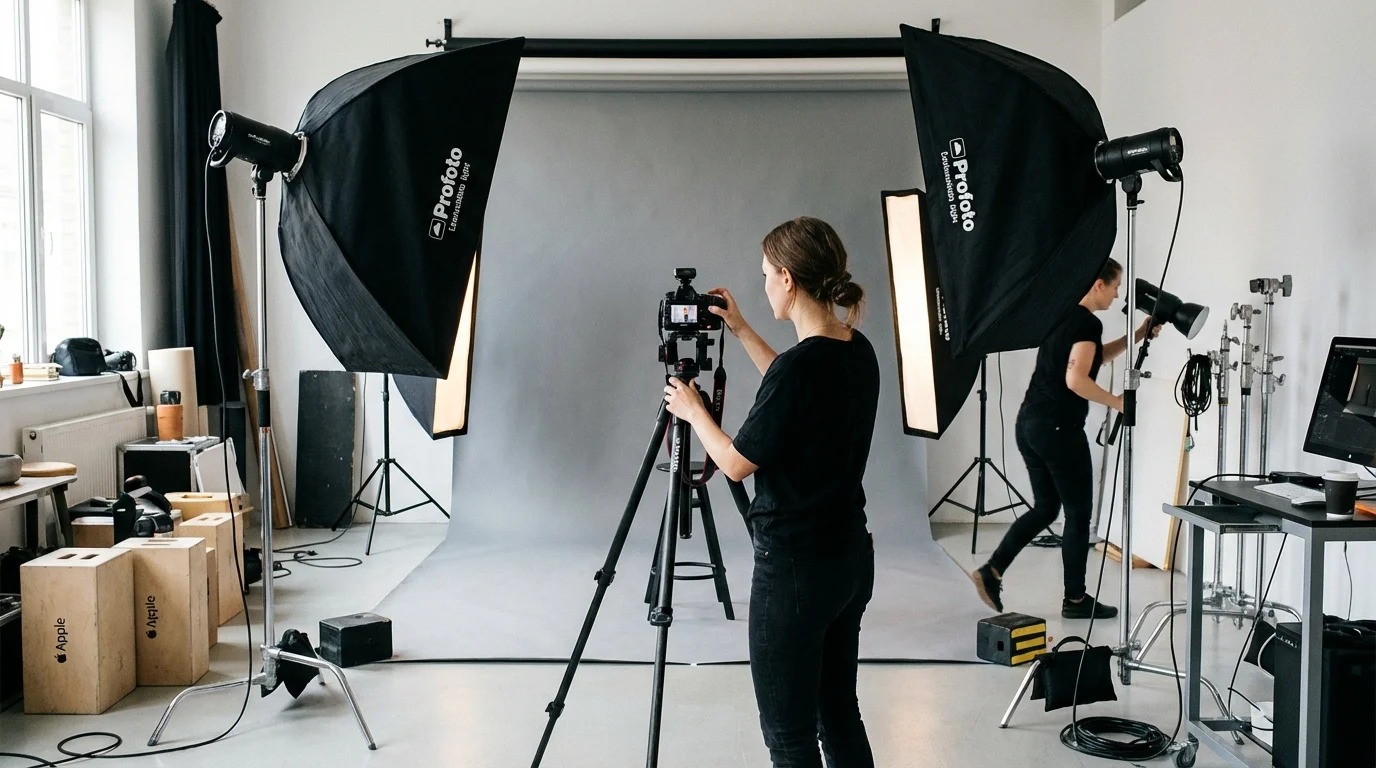
High-end editorial shoots involve lighting rigs, multiple assistants, wardrobe changes, and creative direction that responds to what's happening in the moment. Think magazine covers, brand campaigns, or billboard-quality work. That level of production still needs humans.
Events and Weddings
This one is obvious, but worth saying: AI can't photograph your wedding, your conference keynote, or your product launch. Real moments need real cameras.
Very Specific Brand Aesthetics
If your brand has a hyper-specific visual language (exact color grading, proprietary lighting style, consistent set design across hundreds of images), a photographer who understands your brand will deliver more precision than AI prompts can currently achieve.
When AI Headshots Make More Sense
Now for the scenarios where AI is genuinely the better option.
Speed
A professional photo session takes 2 to 4 weeks from booking to final delivery. That includes scheduling, the shoot itself, editing, and revisions. With Quick Shots, you upload a selfie and get a polished result in about 30 seconds. With a Trained Model, you get unlimited generations in any style within an hour of uploading your reference photos.
For real estate agents who just got their license and need a headshot for their new brokerage page by Monday, waiting two weeks isn't an option.
Cost
This is where the gap is widest. Here's what you're actually looking at:
| Option | Cost | What You Get |
|---|---|---|
| Budget studio | $50 to $150 | 1 look, 3 to 5 edited photos, basic backdrop |
| Mid-range photographer | $200 to $400 | 2 to 3 looks, 10 to 15 edited photos, location shoot |
| Premium photographer | $500 to $1,500+ | Full creative direction, multiple locations, 20+ photos |
| LensCherry Credit Packs | From $4.99 | 10-60 credits, all features, never expire |
A single mid-range session costs more than a full year of LensCherry Pro. Check our detailed cost breakdown for more specifics.
Variety
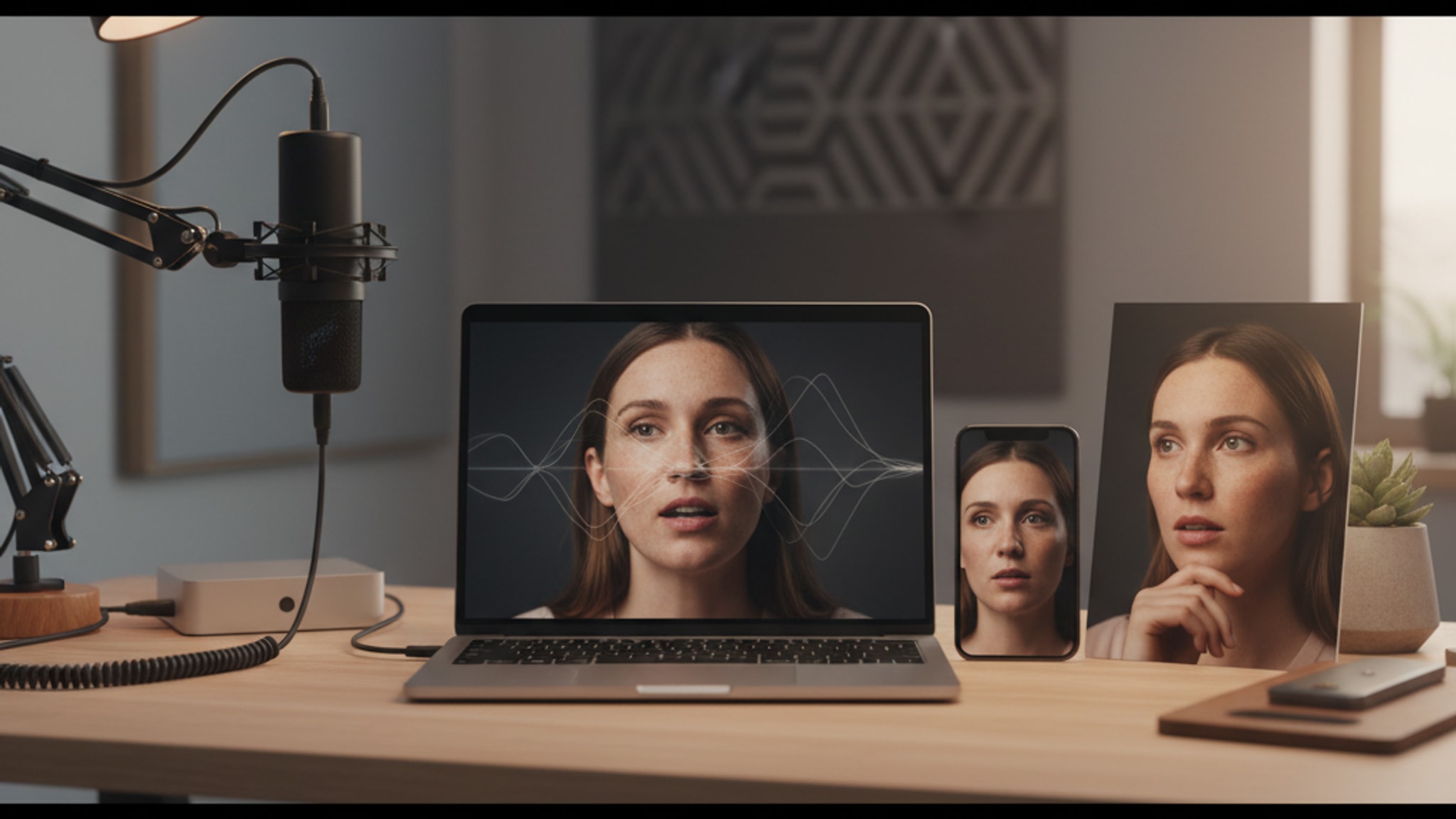
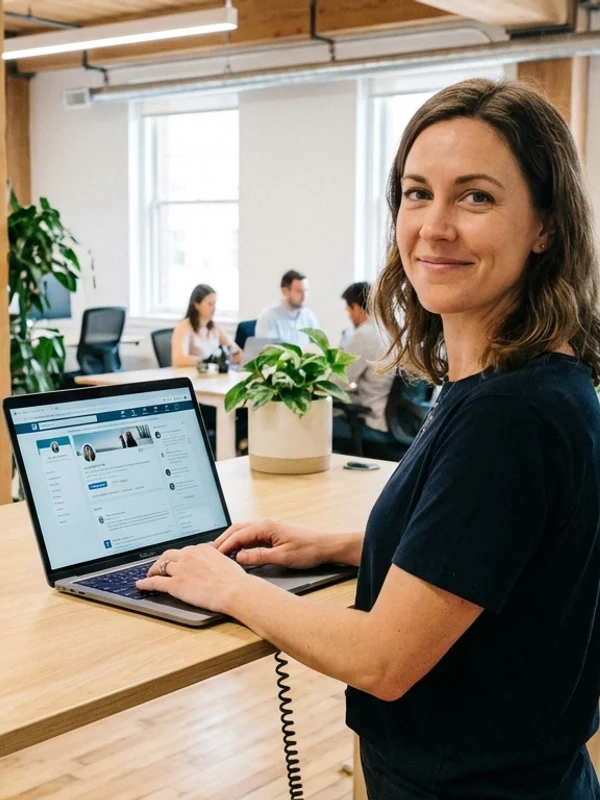
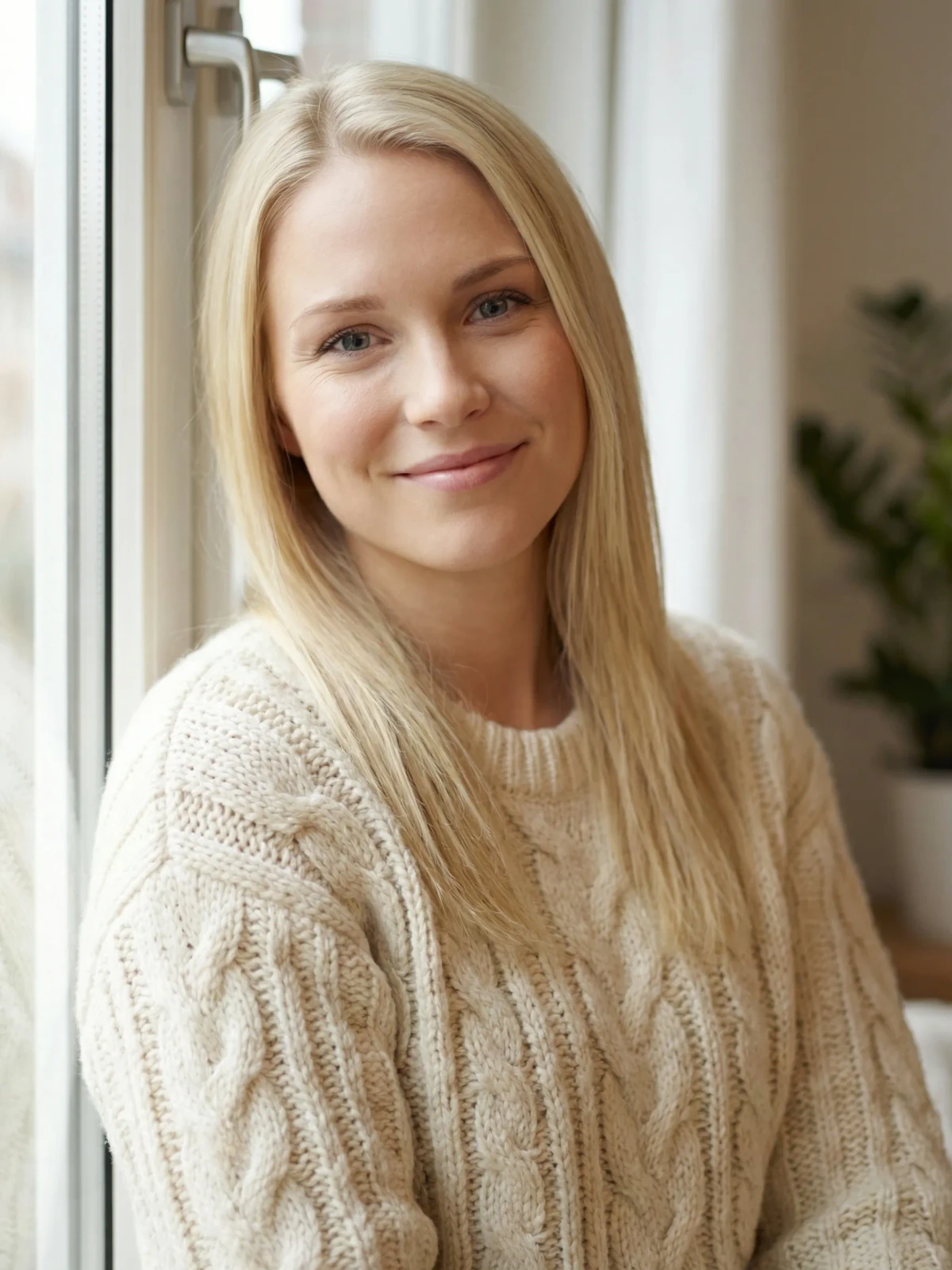
A photographer gives you one shoot with one look (maybe two or three with wardrobe changes). AI gives you dozens. Corporate headshot for LinkedIn, casual portrait for your dating profile, creative shot for your podcast cover, editorial look for your website. All from the same reference photos.
Lawyers can get both a formal headshot for their firm page and a warmer portrait for their personal practice site without booking two separate sessions.
Remote-Friendly
If you work remotely (and millions of people do), getting to a photographer's studio might mean a 45-minute drive each way. AI headshots work from anywhere with an internet connection. Upload your selfies from your living room in sweatpants. Nobody will know.
Unlimited Iteration
Don't like the result? Generate another one. And another. Try different backgrounds, different lighting, different outfits. With a photographer, you get what you got during the shoot. Reshoots cost extra.
Consistency for Solo Professionals
If you're a solo consultant or executive who needs consistent-looking headshots across LinkedIn, your website, conference bios, and social media, AI delivers the same quality and style every time. No worrying about different photographers producing different looks.
The Honest Quality Comparison
This is where we need to be straightforward about what each option does well.
Where Photographers Win
Extreme close-up detail. A skilled photographer with a high-end lens captures pores, individual eyelashes, fabric texture at a level AI still can't perfectly replicate at maximum zoom. At normal viewing sizes (LinkedIn thumbnails, website headshots), the difference is negligible. At poster size, it matters.
Specific physical interaction. Leaning against a wall, sitting on a specific chair, interacting with another person. Photographers direct real bodies in real space.
Emotional nuance in the moment. A great photographer coaxes out authentic expressions through conversation and direction. AI works from your reference photos, so your expressions are limited to what you provided.
Controlled depth of field. That creamy bokeh background with precise focus fall-off is something photographers achieve optically. AI simulates it well, but trained eyes can sometimes spot the difference.
Where AI Wins
Consistency across styles. Generate 20 different looks and they all have the same quality level. With photographers, quality varies by session, by day, by mood.
Lighting variety. Studio lighting, golden hour, dramatic shadows, flat professional lighting. Switch between them instantly instead of rescheduling for different times of day.
Background diversity. City skylines, clean studio backdrops, office environments, outdoor settings. All without leaving your desk.
Speed of iteration. Not happy? Regenerate. Try a different prompt. Adjust the style. The feedback loop is seconds, not weeks.
No bad hair days. Your AI model is trained on your best reference photos. Every generation starts from your strongest visual baseline.
The Hybrid Approach (What Smart People Actually Do)
Here's what we see working best: use both, but for different things.
Use AI for the everyday stuff. LinkedIn profile photo, dating app pictures, social media avatars, conference speaker bios, email signatures, Slack profile pictures. These need to look professional and get updated regularly. AI handles this perfectly at a fraction of the cost.
Hire a photographer for the high-stakes stuff. Your company's About page hero shot with the whole team. Your book cover author photo. Your wedding. A keynote presentation deck that will be projected 20 feet wide. Real estate listing photos (of the property, not you).
This hybrid approach means you're spending $200 to $500 per year on a photographer for the big moments, and credit packs from $4.99 (or free) for everything else. Instead of $400+ every time you need a new headshot.
Decision Matrix: Quick Reference
Choose AI headshots if you need:
- A professional headshot in under 24 hours
- Multiple styles from one set of photos
- Regular updates without rebooking
- Budget under $50
- Remote-friendly (no studio visit)
- Headshots for one person
- Photos for digital use (websites, social, email)
Choose a photographer if you need:
- Group photos with multiple people together
- Photos in a specific real-world location
- Editorial or magazine-quality production
- Event or wedding coverage
- Poster or billboard-size prints
- Very specific brand direction with on-set adjustments
- Physical product or prop interaction
Either works well for:
- Individual professional headshots
- LinkedIn profile photos
- Website about page portraits
- Business card photos
- Speaker or conference bios
Getting the Best Results from AI Headshots
If you decide AI is the right move, here's how to maximize quality:
-
Upload good reference photos. Clear, well-lit selfies from multiple angles. No sunglasses, no heavy filters. Read our guide to getting AI headshots that look like you.
-
Use Trained Models for important shots. Quick Shots are great for casual use, but Trained Models learn your specific face and produce more accurate results.
-
Try multiple styles. Don't settle for the first generation. The strength of AI is volume. Generate 10 options and pick the best 2.
-
Match the style to the platform. Corporate headshot for LinkedIn. Warmer, casual portrait for dating apps. Creative shot for your podcast or YouTube channel.
-
Update regularly. One of AI's biggest advantages is that regenerating costs almost nothing. Update your headshot every few months instead of using a 3-year-old photo.
The Bottom Line
Professional photographers aren't going anywhere. For group shots, specific locations, editorial production, and real-world events, they're irreplaceable.
But for individual headshots and professional portraits, especially when you need speed, variety, and affordability, AI has genuinely caught up. The quality gap that existed two years ago has narrowed dramatically, and for most digital use cases (social media, websites, professional profiles), AI headshots are functionally indistinguishable from studio shots.
The smart move in 2026 isn't picking one or the other. It's knowing when each option makes sense and using both strategically.
Existing users can sign in to LensCherry to create headshots, dating photos, and creative portraits. Credit packs start at $4.99 and never expire.
Curious whether AI headshots are worth it for your specific situation? Read our detailed analysis.
Get AI-generated headshots, dating photos, and more in just 30 seconds. Try your existing LensCherry account.
Sign in