LinkedIn vs Dating Photos: Why Your AI Photos Need Different Strategies
Your LinkedIn headshot and dating profile photo serve totally different purposes. Here is exactly how to nail both, with specific tips for each platform and the science behind why it matters.
LensCherry Team
AI Photo Experts • Updated February 2026
Last updated: February 2026
The Same Photo Everywhere Is Killing Your Results
Here is something most people get wrong: they use the same photo on LinkedIn and Hinge. Or the same headshot on Bumble and their company bio. It feels efficient. It is actually costing you matches and opportunities.
LinkedIn profiles with professional photos get 21x more profile views. Dating profiles with the right photos get 3x more matches. But the photo that works for one will actively hurt you on the other.
The reason is simple: these platforms serve completely different purposes, and the people viewing your photos are looking for completely different signals.
What LinkedIn Photos Communicate
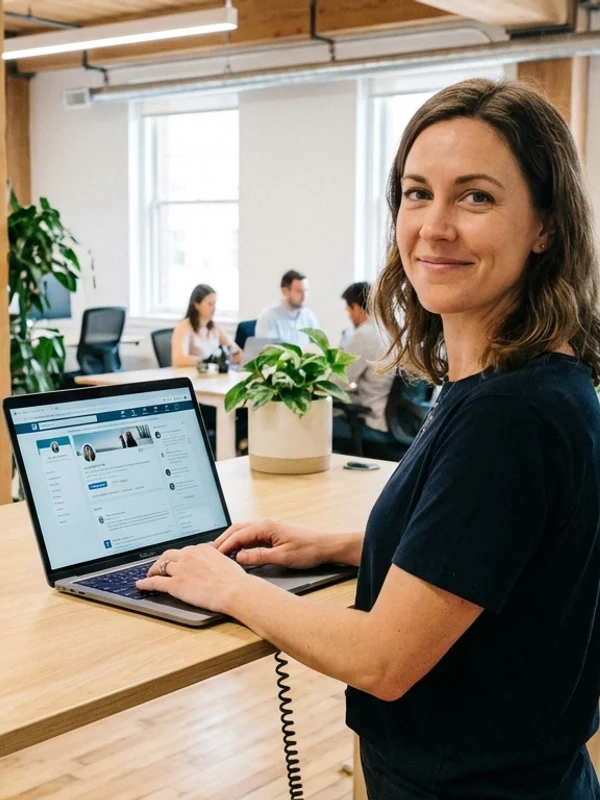
When a recruiter, client, or business connection sees your LinkedIn photo, they are forming a judgment about your professional competence. They want to answer one question: "Is this person capable and trustworthy?"
The signals that build professional trust:
- Clean, neutral background. Gray, blue, or a tidy office environment. The background should say "I work in a real place" without distracting from your face
- Formal or business-casual attire. Match your industry: suits for finance and law, smart casual for tech and startups, scrubs for healthcare
- Even, studio-style lighting. Soft, diffused light that minimizes shadows and wrinkles. This signals polish and investment in your professional image
- Confident but approachable expression. A slight, genuine smile with direct eye contact. Not laughing, not stone-faced
- Head and shoulders framing. Tight crop, face occupying 60-70% of the frame. No full-body shots, no group photos
What to avoid on LinkedIn:
- Cropped vacation photos (the beach in the background gives it away)
- Selfies (arm angle, phone visible, bathroom mirrors)
- Heavily filtered or over-edited photos
- Dark, grainy, or blurry images
- Photos from more than 3 years ago
For detailed LinkedIn guidance, check our full LinkedIn photo tips guide and profession-specific pages for lawyers, consultants, doctors, and executives.
What Dating Photos Communicate
When someone sees your dating profile on Hinge, Bumble, or Tinder, they are forming a completely different judgment. They want to answer: "Would I enjoy spending time with this person?"
The signals that build romantic interest:
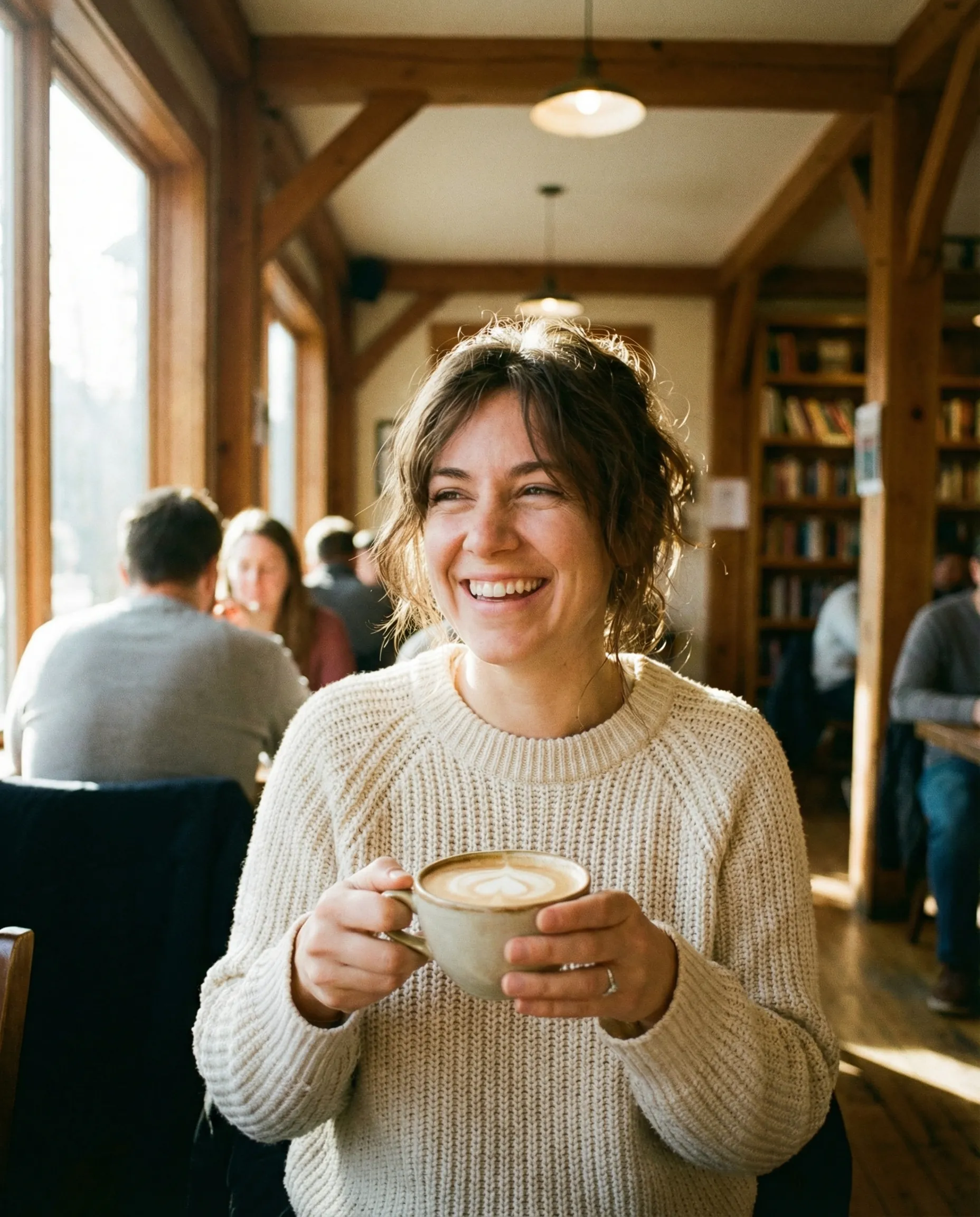
- Warm, natural lighting. Golden hour outdoors, soft window light, anything that feels inviting rather than clinical
- Variety in settings. Coffee shops, parks, travel spots, social events. Show your life, not a studio
- Genuine expressions. Laughing, relaxed smiling, looking naturally comfortable. The best dating photos look candid even when they are not
- Activity and personality. Hiking, cooking, playing guitar, walking a dog. Interests make you three-dimensional
- Multiple angles. Dating apps use 6-9 photo slots because people want a complete picture. One headshot is not enough
What to avoid on dating apps:
- Corporate headshots (feels cold, unapproachable, like a job interview)
- All group photos (who are you?)
- Sunglasses in your main photo (hides your eyes, decreases matches by 15%)
- Gym selfies (unless fitness is genuinely central to who you are)
- Every photo taken from the same angle in the same location
For specific dating guidance, check our dedicated guides for Hinge, Bumble, and Tinder, plus our full dating photo strategy guide.
The Science: Why One Photo Cannot Do Both
Research from Princeton and York University found that people judge trustworthiness, competence, and attractiveness from a photo in under 100 milliseconds. But the features that signal competence are different from the features that signal warmth.
Competence signals (what LinkedIn rewards):
- Symmetrical, straight-on posing
- Neutral or serious expression
- Formal attire and grooming
- Controlled, even lighting
- Minimal environmental context
Warmth signals (what dating apps reward):
- Slightly angled, natural posing
- Genuine smile reaching the eyes
- Casual, personality-revealing clothing
- Natural, warm lighting
- Rich environmental context showing your life
A photo optimized for competence will read as stiff and unapproachable on a dating app. A photo optimized for warmth will read as unprofessional on LinkedIn. You cannot optimize for both simultaneously because the qualities are in tension with each other.
Head-to-Head: The Same Person, Two Strategies
Here is how the exact same person should present differently across platforms:
| Element | Dating App | |
|---|---|---|
| Background | Solid gray or office | Outdoor, cafe, travel |
| Clothing | Blazer, button-down | Casual, personality-driven |
| Lighting | Studio, even, cool | Natural, warm, golden |
| Expression | Confident smile | Relaxed laugh |
| Framing | Head and shoulders | Varies (close-up, full body, activity) |
| Number of photos | 1 great one | 6-9 varied ones |
| Vibe | "I'm competent and reliable" | "I'm fun and interesting" |
| Color palette | Muted, professional | Warm, vibrant |
Platform-Specific Cheat Sheet
- Photo count: 1 (your profile photo does all the work)
- Style: Professional headshot, period
- Background: Solid neutral or simple office
- Best colors to wear: Navy, charcoal, white, deep blue
- Expression: Confident with a warm edge
- Resolution: 800x800px minimum
Hinge
- Photo count: 6 (use all slots)
- Lead photo: Clear face, warm smile, natural light
- Must include: Activity shot, social shot, full body
- Prompts: Use photo prompts to add context and personality
- Pro tip: Hinge shows photos larger than other apps, so quality matters more
Bumble
- Photo count: 6 (maximum impact)
- Lead photo: Approachable, well-lit, genuine smile
- Style: Slightly more polished than Tinder, less formal than LinkedIn
- Pro tip: Women message first on Bumble, so look approachable and conversation-worthy
Tinder
- Photo count: 9 (use them all)
- Lead photo: Your most eye-catching, well-lit photo
- Style: Most casual of the three dating apps
- Pro tip: Tinder is fast-swipe, so your first photo needs to pop immediately
- Use Smart Photos: Let Tinder A/B test your photo order
- Photo count: 1 profile photo (but your grid tells the full story)
- Style: Creative, authentic, personality-forward
- Pro tip: Your profile photo appears tiny next to comments, so high contrast and clear face are essential
X (Twitter)
- Photo count: 1
- Style: Somewhere between LinkedIn and dating, depends on your use case
- Pro tip: At 48px in timelines, only high-contrast photos are recognizable
For a full platform-by-platform breakdown, check our social media profile picture guide.
The Multi-Platform User: Why Subscriptions Beat One-Time Shots
Here is the math that changes everything. If you need:
- 1 LinkedIn headshot
- 1 dating profile set (6 photos minimum)
- 1-2 social media profile photos
That is 8-9 different photos optimized for different contexts. With a traditional photographer, you would need to book multiple sessions with different styling and direction. At $200-400 per session, that is $600-1,200+ for one round of photos.
This is exactly why subscription-based AI photo tools make more sense for multi-platform users. One subscription, unlimited styles, and you can generate both a corporate headshot and a warm dating photo in under two minutes.
It is also why we built LensCherry as a creative studio rather than a headshot-only tool. Professional headshot? Pick the Professional Quick Shot category. Dating photo? Switch to the Dating category. Same tool, completely different outputs, both optimized for their specific use case.
How to Actually Get Both Types of Photos
Option 1: Two Separate Photo Sessions
Book a photographer for formal headshots, then do a casual outdoor session (or DIY with a friend) for dating photos. Most expensive but highest quality ceiling.
- Cost: $300-600 total
- Time: Two sessions, 2-4 hours total plus editing wait
- Quality: Excellent (if photographer is good)
Option 2: DIY Both at Home
Use our headshots at home guide for the LinkedIn shot (window light, plain wall, tripod). Then go outside during golden hour with a friend for dating photos.
- Cost: $0-25 (phone tripod)
- Time: 1-2 hours
- Quality: Good (depends on lighting and effort)
Option 3: AI Photo Generation
Upload 3-6 selfies, generate professional headshots in the Professional category, then switch to Dating or Social categories for warm, approachable shots.
- Cost: $0-29/month (free tier available)
- Time: Under 5 minutes for both sets
- Quality: Very good (consistent studio-grade lighting and composition)
Existing users can sign in to LensCherry to create headshots, dating photos, and creative portraits. Credit packs start at $4.99 and never expire.
For a deep dive on what makes dating photos work, read our complete dating profile photo tips guide. It covers lighting, angles, expressions, outfits, and the exact photo order that gets the most matches.
The Worst Mistakes (That Almost Everyone Makes)
Using Your LinkedIn Headshot on Tinder
A gray-backdrop corporate photo on a dating app screams "I have no personality" or "I only have one photo of myself." It signals that professional life is all you have. Even if the photo is objectively good, the context makes it repellent.
Using Your Dating Photo on LinkedIn
That laughing-at-a-rooftop-bar photo might be your best dating photo. On LinkedIn, it says "I don't take my career seriously." Recruiters and clients make snap judgments. A casual photo in a professional context creates the wrong first impression.
Using a Group Photo Anywhere as Your Main Photo
Nobody wants to play "guess which one is you." This applies everywhere: LinkedIn, dating apps, Instagram. Your face, clearly visible, should always be the primary image.
Overthinking It
The biggest mistake of all: not updating your photos because you cannot get the "perfect" shot. An AI-generated headshot today beats a theoretical perfect photo next month. A quick phone selfie in good light beats no dating photos at all. Done is better than perfect.
The Two-Minute Challenge
Right now, open your LinkedIn profile and your dating app side by side. Ask yourself:
- Does my LinkedIn photo look professional and competent?
- Does my dating photo look warm and approachable?
- Are they the same photo? (If yes, one of them is wrong.)
If any answer is wrong, fix it today. Not next week. Today.
With AI photo tools, you can generate both a professional headshot and a set of dating photos in under two minutes. There is no excuse for using the wrong photo in the wrong context in 2026.
Existing users can sign in to LensCherry to create headshots, dating photos, and creative portraits. Credit packs start at $4.99 and never expire.
Get AI-generated headshots, dating photos, and more in just 30 seconds. Try your existing LensCherry account.
Sign in