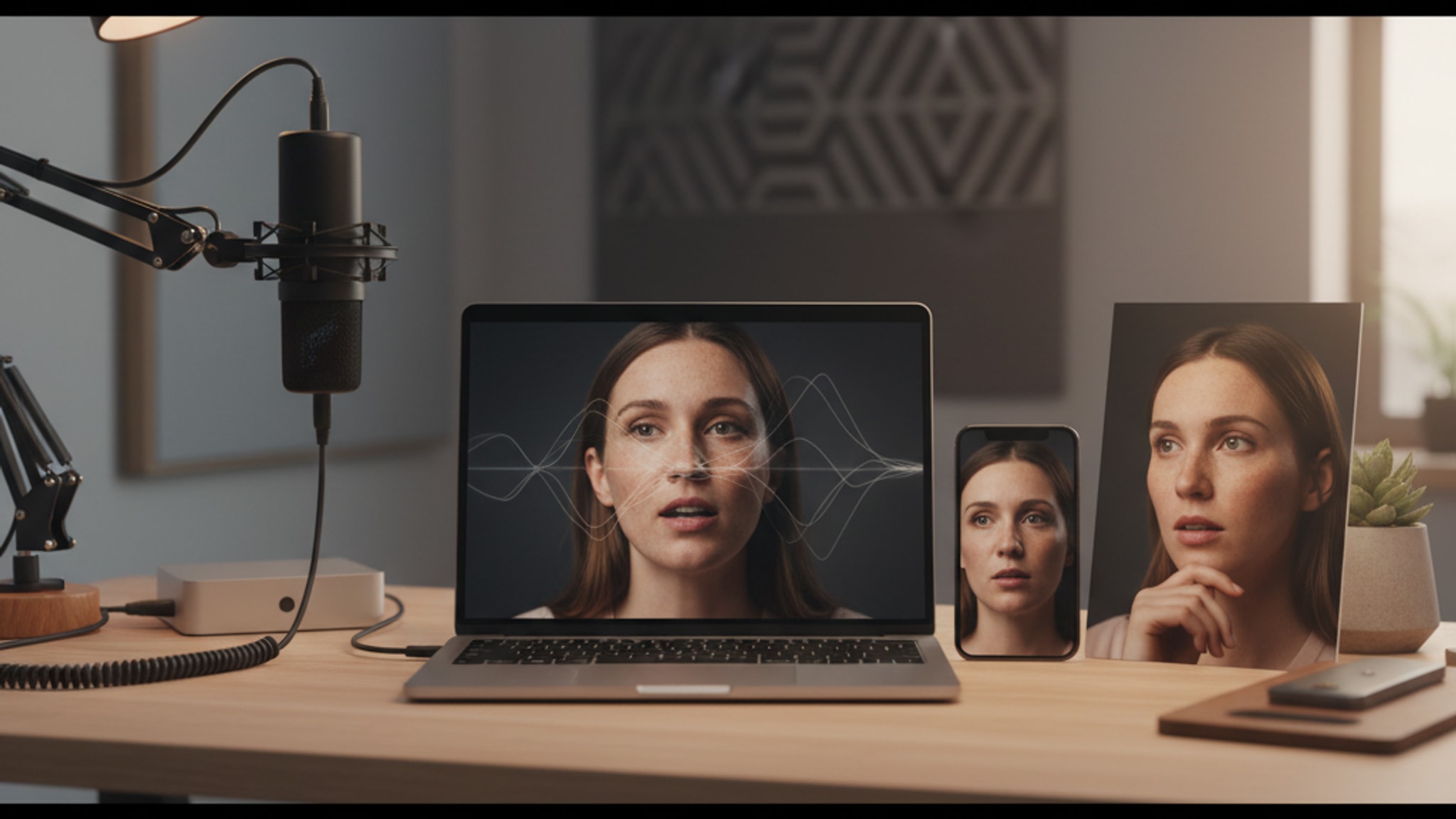
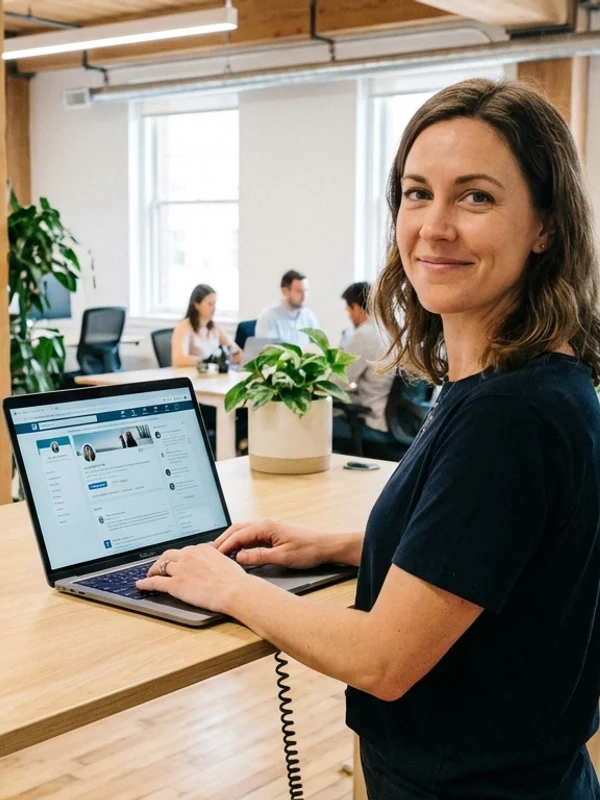
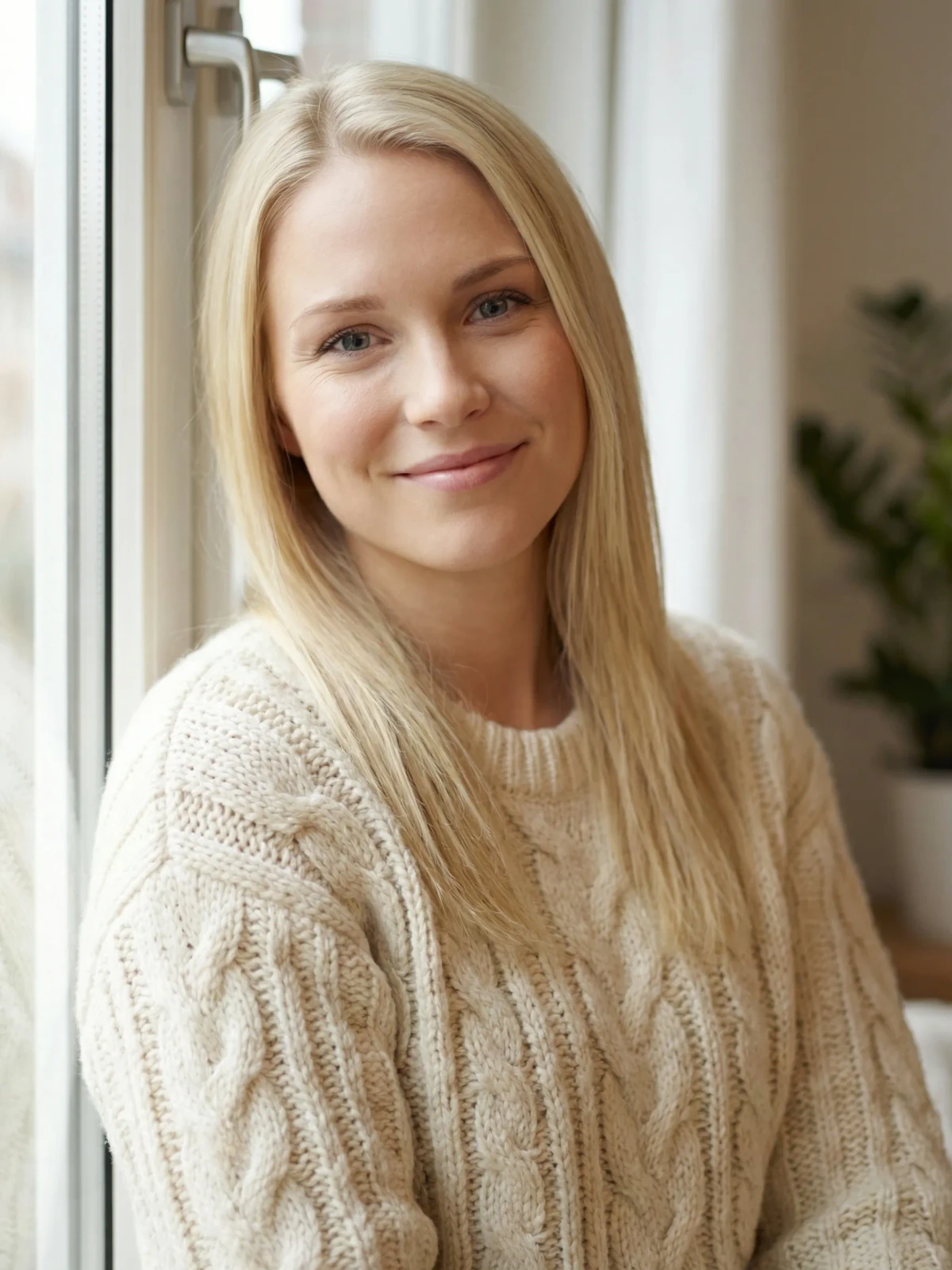
AI Headshots for Graduation Season 2026: Your First Professional Photo
New grads need professional headshots but can't afford $300 studio sessions. Here is how AI can help create a polished LinkedIn photo in 30 seconds.
LensCherry Team
AI Photo Experts • Updated February 2026
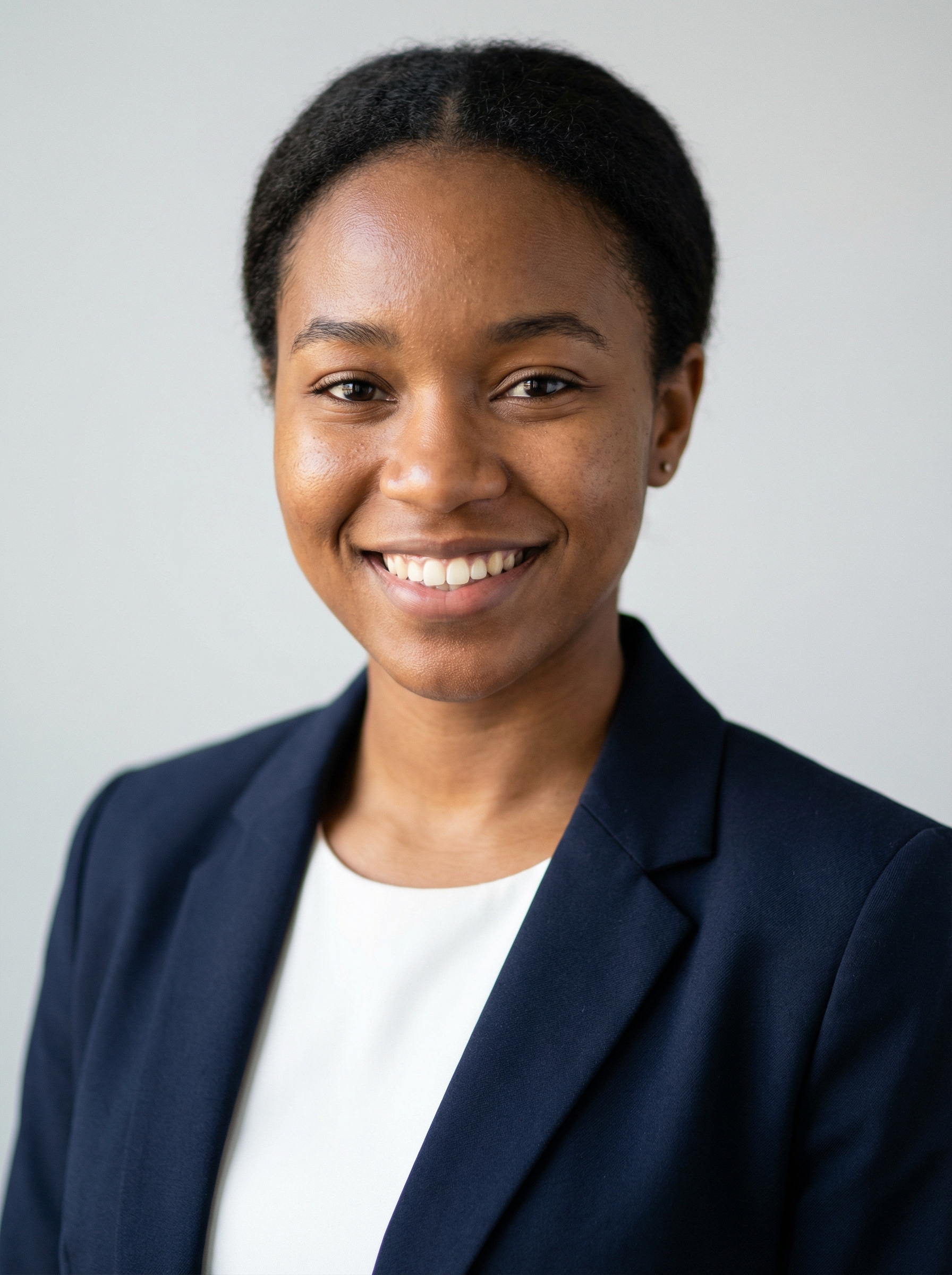
You Just Graduated. Now You Need a Headshot.
Congratulations. You survived finals, wrote the thesis, walked the stage. Now comes the part nobody warned you about: every job application, every LinkedIn connection request, every networking event expects you to have a professional headshot. And you don't have one.
Your options used to be: spend $200 to $400 at a photography studio, or use that cropped group photo from your roommate's birthday. Neither is great when you're staring down $37,000 in average student debt.
There's a third option now. AI headshot generators create professional-quality photos from a few selfies, in about 30 seconds, and you can start for free. Here's exactly how to get your first real professional photo before you start applying.
Why Your Headshot Actually Matters (the Numbers)
This isn't about vanity. LinkedIn profiles with professional photos get 21x more views and 36x more messages than profiles without one. For a new grad competing against hundreds of other applicants, that visibility is the difference between getting noticed and getting skipped.
Recruiters spend an average of 7.4 seconds on a LinkedIn profile before deciding whether to dig deeper. Your photo is the first thing they see. A blurry selfie or an empty silhouette tells them you're not serious about your professional presence, even if your resume is perfect.
Here's what hiring managers have said in surveys:
- 71% of recruiters say a professional photo makes a candidate more memorable
- Profiles without photos are 7x less likely to be viewed
- First impressions form in under 100 milliseconds, and your photo drives most of that judgment
You don't need a perfect photo. You need a professional one. There's a difference, and it's easier to get than you think.
The Cost Problem: Studio Headshots vs Student Budgets
Let's be real about money. Here's what traditional headshot options cost:
| Option | Cost | What You Get |
|---|---|---|
| Budget photographer | $75 to $150 | 15-minute session, 2-5 edited photos |
| Mid-range studio | $200 to $400 | 30-60 minutes, 5-15 retouched images |
| Premium studio | $500+ | Full creative direction, hair/makeup |
Even the budget option is a real expense when you're job hunting and watching every dollar. And that doesn't include the time: booking weeks ahead, driving to the studio, waiting for edits, hoping the results are actually good.
Most new grads solve this by not getting a headshot at all. That's the worst option.
How AI Headshots Fix This
AI headshot tools like LensCherry let you generate professional photos without a studio visit, a photographer, or a big budget.
The process:
- Upload 3 to 6 selfies from your phone (different angles, decent lighting)
- Pick a style or describe what you want
- Get results in about 30 seconds
That's it. No scheduling, no commuting, no waiting a week for edited files.
The LensCherry Option
Existing users can sign in to LensCherry to create headshots, dating photos, and creative portraits. Credit packs start at $4.99 and never expire.
If you want more variety, credit packs start at $4.99. Credits never expire.
Quick Shots: No Training, No Waiting
If you don't want to upload multiple selfies and train a model, Quick Shots generates professional headshots from a single photo in under a minute. Pick a style (Corporate, Creative, Casual Professional), upload one clear selfie, and you're done.
This is the fastest path from "I need a headshot" to "I have a headshot." Perfect for the night before a career fair.
Platform-by-Platform Guide for New Grads
Your headshot needs vary depending on where it's going. Here's the breakdown:
LinkedIn Profile Photo
This is your most important professional photo. Period.
Specs: 800 x 800 pixels, displayed as a circle Style: Head and shoulders, clean background, slight smile, business casual or formal depending on your industry Background: Solid gray, blue, or white works for everyone
Your LinkedIn photo should look like you on your best day at a job interview. Not stiff, not too casual, just competent and approachable.
For more LinkedIn-specific tips, check our LinkedIn photo guide and background ideas.
Resume Photo
Not all resumes include photos (in the US, most don't). But if you're applying internationally, to creative roles, or building a personal website with your resume, you'll want one.
Style: More formal than LinkedIn. Think passport-level composure with better lighting. Crop: Tight head and shoulders, face taking up 70% of the frame.
Grad School Applications
If you're applying to MBA programs, law school, or medical school, some applications request or allow a photo. These should be polished but not corporate. Think "serious student who takes this seriously" rather than "Wall Street banker."
Style: Smart casual. Button-down shirt or blazer, clean background, confident but warm expression.
Personal Website or Portfolio
If you're building a portfolio site (common for designers, writers, engineers, and anyone in tech), your headshot needs to match the vibe of your work.
Style: More creative freedom here. Match your industry. A software engineer's portfolio headshot looks different from a graphic designer's.
Style Guide by Industry
Your headshot should signal "I belong in this industry" before anyone reads your title. Here's what works:
Tech and Engineering
- Smart casual: collared shirt or clean crew neck, no tie
- Neutral or slightly modern background
- Approachable expression, slight smile
- Skip the suit unless you're going into enterprise sales
- See our engineer headshot guide for more
Finance and Consulting
- Business formal: suit jacket or blazer, button-down
- Conservative background (gray, navy, dark tones)
- Confident, composed expression
- This is the one industry where overdressing for your headshot is fine
- Check our consultant headshot tips and executive portrait guide
Healthcare
- Clean, professional attire (scrubs are fine if that's your role)
- Warm, trustworthy expression
- Light or neutral background
- See our healthcare headshot guide
Creative Fields (Design, Marketing, Media)
- More personality allowed: interesting colors, creative backgrounds
- Show some flair without going overboard
- Your headshot is part of your creative portfolio
Education and Nonprofits
- Warm, approachable, community-oriented
- Business casual or smart casual
- Genuine smile matters more here than in finance
- Check our teacher headshot guide and coaching headshot tips
5 Tips for Better Reference Selfies
The quality of your AI headshot depends on the selfies you upload. Here's how to get the best input:
1. Face a window. Natural light from a window is the single best lighting for selfies. Stand 2 to 3 feet from the window, face it directly.
2. Multiple angles. Don't just do front-facing. Include a slight turn to the left and right. This gives the AI more data about your face shape.
3. No sunglasses or hats. The AI needs to see your eyes and hairline.
4. Skip the filters. Instagram filters, Snapchat effects, and FaceTune all interfere with the AI learning your actual face. Use unfiltered photos.
5. Current photos only. If you've changed your hairstyle, grown a beard, or look different from six months ago, use recent selfies. The headshot should look like you walking into an interview tomorrow.
For a deeper guide, read our full article on getting AI headshots that actually look like you.
The Spring 2026 Timing Advantage
You're reading this at the right time. Spring is peak headshot season for a reason: companies ramp up hiring in Q1 and Q2, graduation ceremonies run from May through June, and LinkedIn activity spikes as new grads flood the platform.
Getting your headshot done now, before graduation, means your LinkedIn profile is ready when you're competing for attention. Waiting until after graduation means you're scrambling alongside every other new grad who also forgot about this.
Our spring headshot refresh guide covers why timing matters and how to make the most of the seasonal hiring bump.
What Not to Do (Common New Grad Mistakes)
Don't use your graduation cap photo as your LinkedIn headshot. It's a great memory. It's not a professional photo. The cap, gown, and diploma scream "student," not "hire me."
Don't crop a group photo. The resolution drops, the background is messy, and there's usually someone's arm or shoulder in the frame.
Don't use a vacation selfie. Beach backgrounds, sunglasses, and cocktails tell a story, but not the one you want on LinkedIn.
Don't skip it entirely. An empty LinkedIn profile silhouette is worse than an imperfect photo. Something professional is always better than nothing.
Don't overthink it. The goal isn't a magazine cover. It's a clear, well-lit photo of your face that says "I'm a professional." AI headshot tools make this achievable in minutes.
Frequently Asked Questions
Are AI headshots good enough for LinkedIn?
Yes. Modern AI headshot generators produce photos that are virtually indistinguishable from studio photography at LinkedIn display sizes. Your profile photo appears at 200 x 200 pixels on desktop and 140 x 140 on mobile. At those sizes, AI-generated headshots look identical to studio shots. For a detailed comparison, read our AI headshots vs professional photography analysis.
How much do AI headshots cost for students?
Existing users can sign in to LensCherry to create headshots, dating photos, and creative portraits. Credit packs start at $4.99 and never expire.
Can recruiters tell if a headshot is AI-generated?
With good reference photos, no. AI headshots created from personalized reference-photo models are accurate enough that friends and colleagues can't reliably distinguish them from real photography. The key is uploading clear, well-lit selfies. Read our guide on getting AI headshots that look like you for best results.
What should I wear in my graduation headshot?
Match your target industry. For tech: collared shirt or clean crew neck. For finance: suit jacket or blazer. For creative roles: something that shows personality while staying polished. Avoid busy patterns, logos, and pure white (it can wash out against light backgrounds). Solid colors photograph best.
Should I get a headshot before or after graduation?
Before. Your LinkedIn profile should be polished and active during your senior year, not scrambled together after commencement. Many students start job hunting months before graduation. Having a professional headshot ready early gives you a head start.
How many headshots do I need?
At minimum, one strong headshot for LinkedIn. Ideally, you want 2 to 3 variations: one formal for LinkedIn, one slightly more casual for other platforms, and one creative option if you're in a field that rewards personality. With AI tools, generating multiple variations takes minutes, not separate studio sessions.
Get Your First Professional Headshot in 30 Seconds
You've earned the degree. Now get the headshot that matches.
Existing users can sign in to LensCherry to create headshots, dating photos, and creative portraits. Credit packs start at $4.99 and never expire.
Sign in to continue creating.
Or try Quick Shots for instant results from a single photo, with no separate model setup.
More resources for new grads:
Get AI-generated headshots, dating photos, and more in just 30 seconds. Try your existing LensCherry account.
Sign in